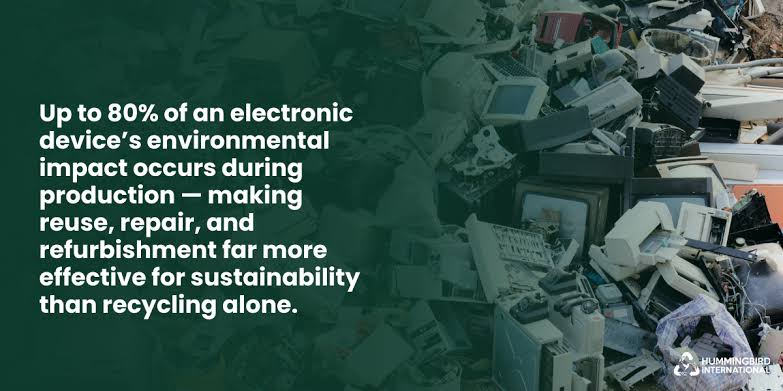

Every year, millions of electronic devices reach the end of their lifespan, creating an ever-growing mountain of electronic waste. Electronic recycling has become one of the most effective ways to reduce environmental damage, recover valuable materials, and keep hazardous substances out of landfills. Whether you’re replacing an old laptop, upgrading smartphones, or retiring office equipment, understanding the importance of responsible recycling can make a lasting difference for both businesses and individuals.
What Is Electronic Recycling?
Electronic recycling is the process of collecting, dismantling, refurbishing, or safely disposing of electronic devices that are no longer in use. Instead of sending outdated electronics to landfills, certified recycling facilities recover valuable materials such as copper, aluminum, steel, gold, and plastics for reuse.
Common items that can be recycled include:
- Desktop computers and laptops
- Smartphones and tablets
- Printers and scanners
- Monitors and televisions
- Hard drives and servers
- Networking equipment
- Keyboards, cables, and accessories
By recycling these products properly, we reduce waste while conserving natural resources that would otherwise require new mining and manufacturing.
Why Electronic Waste Is a Growing Concern
Technology evolves quickly, and so do replacement cycles. Businesses upgrade hardware every few years, while consumers frequently replace phones, laptops, and other gadgets.
The challenge is that electronic devices contain materials that can become harmful when discarded improperly. Batteries, circuit boards, and certain display components may release toxic substances into soil and water if they end up in landfills.
At the same time, many electronics contain valuable metals that can be recovered and reused, making recycling both environmentally and economically beneficial.
Benefits of Electronic Recycling
Protects the Environment
Proper recycling prevents hazardous materials from contaminating ecosystems while reducing the need for extracting raw materials from the earth.
Conserves Valuable Resources
Many electronic devices contain reusable metals and components. Recovering these materials reduces manufacturing costs and lowers energy consumption.
Supports a Circular Economy
Instead of producing everything from scratch, recycled materials can be reintroduced into manufacturing, extending the life cycle of valuable resources.
Reduces Landfill Waste
Electronic devices occupy significant landfill space and often take decades to decompose. Recycling helps divert this waste into responsible recovery channels.
Why Businesses Should Prioritize Responsible Recycling
Organizations replace IT equipment regularly due to performance upgrades, security requirements, or business growth. Simply storing obsolete devices in storage rooms creates unnecessary clutter and potential security risks.
Many companies now combine hardware disposal with professional IT asset management. Businesses looking for managed it services dallas often find that providers also assist with secure device retirement, inventory tracking, and environmentally responsible recycling programs. This integrated approach helps organizations maintain compliance while reducing operational headaches.
Data Security Should Never Be Overlooked
Before any device is recycled, sensitive information must be securely removed.
This includes:
- Customer information
- Financial records
- Employee data
- Business documents
- Login credentials
- Intellectual property
Professional recycling providers often perform certified data destruction before processing devices, ensuring information cannot be recovered.
How the Electronic Recycling Process Works
Although procedures vary by facility, the process generally includes several important steps.
Collection
Electronic devices are gathered from homes, businesses, schools, or recycling events.
Inspection
Equipment is evaluated to determine whether it can be repaired, refurbished, or recycled.
Data Removal
Storage devices are securely wiped or physically destroyed when necessary.
Material Separation
Devices are dismantled, and materials such as metals, plastics, and glass are separated.
Resource Recovery
Recovered materials are processed and supplied to manufacturers for use in new products.
How Consumers Can Make a Difference
Responsible electronic recycling starts with small decisions.
Instead of throwing electronics into household trash:
- Donate working devices when possible.
- Use certified electronic recycling centers.
- Remove personal data before disposal.
- Recycle batteries separately when required.
- Avoid illegal dumping of electronic waste.
These simple actions help reduce pollution while supporting sustainable manufacturing practices.
Choosing the Right Recycling Partner
Not every recycling service follows the same standards. Whether you’re an individual or managing equipment for a business, it’s worth looking for providers that offer:
- Certified recycling processes
- Secure data destruction
- Transparent asset tracking
- Environmentally responsible disposal methods
- Compliance with local regulations
Working with trusted professionals ensures both your data and the environment remain protected.
Final Thoughts
Technology continues to improve our daily lives, but responsible disposal is just as important as purchasing new devices. Electronic recycling reduces environmental impact, conserves valuable resources, supports sustainable manufacturing, and protects sensitive information from falling into the wrong hands.
As electronic waste continues to grow worldwide, choosing responsible recycling solutions isn’t just good practice—it’s a long-term investment in a cleaner, safer, and more sustainable future. Whether you’re replacing a single laptop or upgrading an entire office, recycling electronics the right way benefits everyone.