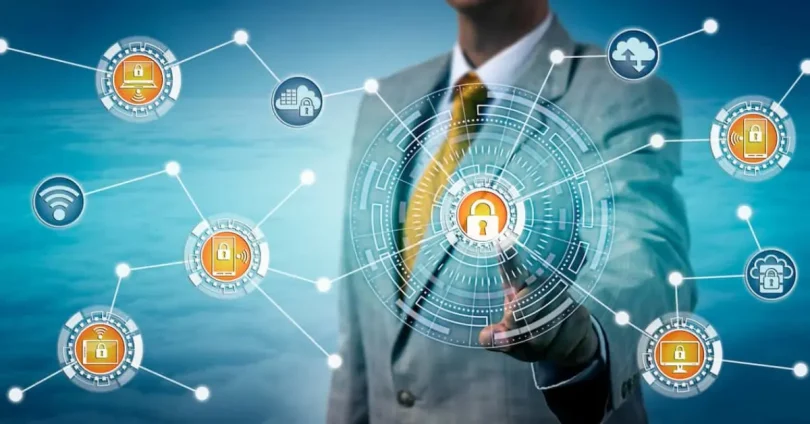

Introduction: Why Cybersecurity Is More Critical Than Ever in 2025
In 2025, cybersecurity is no longer a technical concern limited to IT departments — it’s a strategic necessity for businesses of all sizes. With data breaches, ransomware attacks, and phishing scams growing in frequency and sophistication, protecting digital assets has become essential to maintaining operational stability, customer trust, and legal compliance.
The Rising Importance of Cybersecurity in 2025
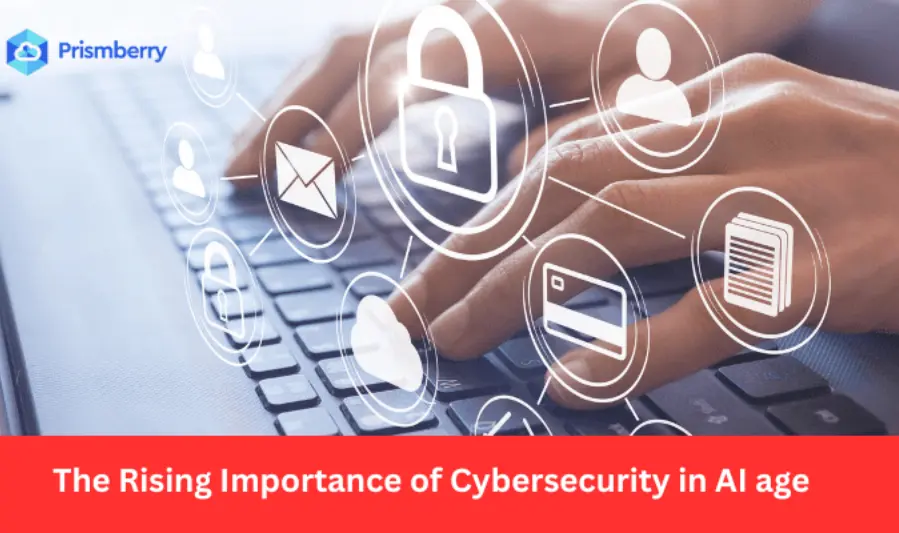
As businesses become more digitally connected and reliant on cloud infrastructure, the attack surface expands. Emerging technologies like AI, IoT, and remote work tools, while beneficial, introduce new vulnerabilities that cybercriminals are quick to exploit.
Key statistics from recent years highlight this urgency:
- The global average cost of a data breach has surpassed $5 million.
- Over 70% of small and mid-sized businesses have experienced a cyberattack in the past year.
- Attacks targeting supply chains and third-party vendors have grown dramatically, impacting companies even indirectly.
Who’s at Risk?
- Small and medium-sized businesses, which often lack the resources for full-scale cybersecurity teams.
- Enterprises, due to their data volume and value, are prime targets for ransomware.
- Remote teams, which may operate across unsecured networks and devices.
- Any organization handling sensitive data, including healthcare, finance, education, and e-commerce.
What This Guide Will Cover
This post will walk you through:
- The types of cyber threats businesses face in 2025.
- Essential cybersecurity tools and practices every business should adopt.
- Best practices for training employees and building a cyber-aware culture.
- Tips on selecting cybersecurity services or providers.
- A look at future trends shaping the cybersecurity landscape.
What Is Business Cybersecurity?
Business cybersecurity refers to the practices, technologies, and strategies organizations use to protect their digital assets from cyber threats. This includes safeguarding sensitive data, internal systems, customer information, financial records, intellectual property, and operational continuity from unauthorized access, breaches, or damage.
Unlike personal cybersecurity, which focuses on individual users and their devices, business cybersecurity is broader in scale, complexity, and risk exposure. It encompasses multiple endpoints, users, networks, and systems—often across different locations or cloud environments.
Definition and Scope
At its core, business cybersecurity includes:
- Risk management: Identifying, assessing, and mitigating risks to business operations.
- Threat prevention and detection: Using tools and systems to prevent cyberattacks and detect them early.
- Response and recovery: Establishing protocols for incident response and business continuity after a cyber event.
- Compliance: Adhering to laws, industry standards, and regulations (like GDPR, HIPAA, PCI-DSS).
Scope may include:
- Network security
- Endpoint protection (for computers, mobile devices, etc.)
- Cloud security
- Email security
- Data encryption and secure storage
- Access control and identity management
- Employee cybersecurity training
Difference Between Personal and Business Cybersecurity
| Aspect | Personal Cybersecurity | Business Cybersecurity |
|---|---|---|
| Users | Individual(s) | Teams, departments, and entire organizations |
| Scope of protection | Single device or small number of devices | Networks, servers, endpoints, cloud services, and more |
| Types of data | Personal files, photos, passwords | Financial records, customer data, proprietary info |
| Tools used | Antivirus, VPNs, firewalls | Endpoint protection platforms, SIEMs, firewalls, DLP |
| Regulatory needs | Minimal | Must comply with legal and industry regulations |
| Impact of breaches | Personal loss, inconvenience | Financial loss, legal penalties, reputational damage |
Core Components of a Secure Business Environment
A strong business cybersecurity strategy is built on several foundational components:
- Network Security
Protects internal infrastructure from intrusion using firewalls, intrusion detection systems (IDS), and secure access policies. - Endpoint Protection
Secures all endpoints (laptops, phones, servers) with antivirus software, encryption, and mobile device management (MDM) tools. - Data Protection and Encryption
Encrypts sensitive data at rest and in transit to prevent unauthorized access or theft. - Identity and Access Management (IAM)
Ensures only authorized users can access specific systems or data through strong authentication methods (e.g., MFA, SSO). - Security Awareness Training
Educates employees on recognizing phishing, social engineering, and other cyber threats. - Incident Response Plan
A documented process to quickly detect, contain, and respond to security breaches or attacks. - Regular Updates and Patch Management
Keeps systems, software, and applications up to date to eliminate known vulnerabilities. - Monitoring and Logging (SIEM)
Continuously monitors activities across the environment, helping detect anomalies and potential breaches early. - Compliance and Risk Management
Helps the business stay aligned with legal standards and proactively addresses security gaps.
In summary, business cybersecurity is a proactive, layered defense strategy tailored to an organization’s unique size, structure, and risk level. It’s essential for protecting both company assets and customer trust in today’s interconnected digital economy.
Why Cybersecurity Matters for Businesses
In 2025, cybersecurity is not optional — it’s a critical pillar of every organization’s risk management and operational strategy. As digital infrastructure becomes the backbone of how businesses operate, interact, and grow, the threat of cyberattacks has become a constant reality.
Failing to address cybersecurity doesn’t just risk data theft — it can jeopardize customer trust, cause operational shutdowns, invite regulatory penalties, and result in devastating financial losses.
1. Data Protection and Privacy
Businesses handle vast amounts of sensitive data — from employee records and customer information to proprietary systems and trade secrets. Cybersecurity is essential to ensure:
- Confidentiality: Preventing unauthorized access to sensitive information.
- Integrity: Ensuring data isn’t altered or tampered with.
- Availability: Making sure critical data and systems remain accessible when needed.
A breach of customer data can quickly erode trust and loyalty, especially in industries like healthcare, finance, and e-commerce, where privacy expectations are high.
2. Business Continuity and Reputation
Cyberattacks like ransomware, DDoS attacks, or data breaches can paralyze operations, leading to:
- Downtime of websites, payment systems, or internal networks
- Interrupted customer service or delayed deliveries
- Disruption of communication across departments
More than the operational cost, the reputational damage can be long-lasting. Clients and customers expect secure handling of their data. A breach can signal negligence and lead to lost business opportunities and public distrust.
3. Legal and Regulatory Compliance
Governments and industries worldwide have introduced strict data protection laws. Failing to secure data properly can result in:
- Hefty fines
- Legal action from customers or partners
- Audits and investigations
- Loss of certifications and business eligibility
Key regulations include:
- GDPR (EU): Requires organizations to protect the personal data and privacy of EU citizens.
- HIPAA (US): Enforces data security for healthcare providers handling patient data.
- ISO/IEC 27001: An international standard for information security management.
- PCI-DSS: Required for businesses handling credit card transactions.
Maintaining cybersecurity compliance is both a legal requirement and a competitive advantage.
4. Financial Impact of Cyberattacks
Cyberattacks come with significant direct and indirect costs:
Direct Costs
- Ransom payments
- Legal fees
- Forensic investigations
- Regulatory fines
- Recovery and remediation
Indirect Costs
- Revenue loss due to downtime
- Customer churn
- Insurance premium hikes
- Long-term brand damage
In Summary
Cybersecurity matters because the risks of inaction are far greater than the cost of prevention. In today’s digital-first business environment, investing in cybersecurity is not just about protecting data — it’s about ensuring resilience, building trust, maintaining compliance, and securing your company’s future.
You may also like to read these posts:
Boost Performance: Laptop Stands & Cooling Pads
Affordable Cloud Storage Solutions for Everyone
Ultimate Guide to the Best VPN Services of 2025
Best Business Cybersecurity Tools in 2025
Common Cybersecurity Threats in 2025
Cyberattacks have grown more sophisticated, targeted, and damaging in 2025. Businesses—regardless of size—face a range of threats that can compromise data, disrupt operations, and result in major financial and reputational harm.
Below are the most common and impactful cybersecurity threats facing organizations today:
1. Ransomware
What it is:
Ransomware is malicious software that encrypts a victim’s files or systems and demands payment (usually in cryptocurrency) for their release.
How it affects businesses:
- Locks critical business data and applications
- Disrupts operations, often halting entire systems
- Attackers may threaten to leak sensitive data if ransom isn’t paid
- Targets both SMBs and large enterprises, often through phishing or unpatched vulnerabilities
2025 trend:
Ransomware-as-a-Service (RaaS) platforms have made it easier for even low-skilled hackers to launch sophisticated attacks. Double extortion tactics—encrypting and threatening to publish stolen data—are now common.
2. Phishing and Social Engineering
What it is:
Phishing involves deceptive emails, texts, or messages designed to trick users into revealing sensitive information or installing malware. Social engineering manipulates human behavior to gain access to systems.
How it affects businesses:
- Leads to credential theft and unauthorized access
- Can result in wire fraud or installation of malware
- Often bypasses technical defenses by targeting human error
2025 trend:
AI-generated phishing emails and deepfake voice/video calls have made scams more convincing and harder to detect.
3. Insider Threats (Accidental or Malicious)
What it is:
Insider threats come from current or former employees, contractors, or partners who have access to business systems and data.
Accidental threats:
- Employees misconfiguring systems or clicking malicious links
- Mishandling sensitive information or using weak passwords
Malicious threats:
- Disgruntled employees stealing data
- Selling access to competitors or cybercriminals
2025 trend:
With hybrid and remote work environments, tracking insider behavior is more complex, increasing the risk of unnoticed internal threats.
4. Distributed Denial of Service (DDoS) Attacks
What it is:
DDoS attacks flood a business’s network or website with massive traffic, making it slow or completely unavailable to legitimate users.
How it affects businesses:
- Interrupts service availability
- Can damage customer trust and satisfaction
- Often used as a distraction while other attacks are launched
2025 trend:
Attackers are leveraging botnets from IoT devices to launch larger and more frequent DDoS campaigns, especially against financial services and e-commerce sites.
5. Zero-Day Vulnerabilities
What it is:
A zero-day vulnerability is a previously unknown flaw in software or hardware that’s exploited before the vendor can issue a patch.
How it affects businesses:
- Provides attackers with a window to infiltrate systems undetected
- Can be used to deploy malware, steal data, or escalate privileges
- Especially dangerous in widely-used enterprise software
2025 trend:
Cybercriminals and state actors are increasingly investing in discovering and weaponizing zero-day exploits, particularly in supply chain software and cloud platforms.
6. Supply Chain Attacks
What it is:
These attacks target third-party vendors or software providers to compromise multiple organizations through a single breach point.
How it affects businesses:
- Exposes organizations to risks beyond their direct control
- Can introduce malicious code into trusted systems or software updates
- Often bypasses traditional security perimeters
2025 trend:
High-profile attacks (e.g., those exploiting software dependencies or MSPs) have shown how a breach in one link of the supply chain can cascade across industries.
Conclusion
In 2025, cyber threats are more diverse and damaging than ever. Protecting your organization requires understanding these evolving risks and implementing proactive defense strategies—including employee training, network monitoring, threat detection, and strong access controls. A single point of failure can compromise an entire system, making comprehensive cybersecurity an essential part of doing business.Attach
Essential Cybersecurity Solutions for Businesses
As cyber threats become more advanced in 2025, businesses must adopt a multi-layered security approach to safeguard their digital infrastructure. Each of the following cybersecurity solutions addresses a specific vulnerability or attack surface within a business environment.
Here’s a breakdown of the key cybersecurity tools and systems every organization should consider implementing:
1. Network Security (Firewalls, VPNs)
Purpose:
To protect internal networks from unauthorized access and monitor incoming/outgoing traffic.
Key Components:
- Firewalls: Create a barrier between trusted and untrusted networks.
- Intrusion Detection/Prevention Systems (IDS/IPS): Detect and block malicious activity.
- VPNs (Virtual Private Networks): Encrypt remote connections, especially for hybrid/remote teams.
Why it matters:
A secure network is the foundation of any cybersecurity plan. It blocks external threats before they reach critical systems.
2. Endpoint Protection Platforms (EPPs)
Purpose:
To secure devices like computers, smartphones, and servers from malware, ransomware, and other endpoint-targeted threats.
Features:
- Antivirus and anti-malware
- Real-time threat detection
- Device control and behavioral monitoring
- Integration with EDR (Endpoint Detection and Response)
Why it matters:
Every endpoint is a potential entry point for attackers. EPPs help prevent breaches at the device level.
3. Email Security Solutions
Purpose:
To protect against phishing, spoofing, and malicious attachments or links.
Features:
- Spam filtering
- URL/link scanning
- Attachment sandboxing
- DMARC, DKIM, SPF enforcement
Why it matters:
Email is one of the most exploited vectors for cyberattacks. Email security helps prevent social engineering and malware infections.
4. Identity and Access Management (IAM)
Purpose:
To control who has access to what within your organization’s systems.
Key Features:
- Role-based access control (RBAC)
- Multi-factor authentication (MFA)
- Single sign-on (SSO)
- Privileged access management (PAM)
Why it matters:
Limiting access reduces the potential damage of compromised accounts and prevents unauthorized data exposure.
5. Data Encryption Tools
Purpose:
To protect sensitive information in storage (at rest) and during transmission (in transit).
Common Tools:
- Full disk encryption (e.g., BitLocker)
- Email and file encryption
- TLS/SSL for website and app security
- Encrypted cloud storage
Why it matters:
Even if data is stolen, encryption ensures it’s unreadable without the proper keys, reducing the impact of a breach.
6. Backup and Disaster Recovery
Purpose:
To ensure business continuity in case of data loss due to cyberattacks, system failure, or human error.
Key Elements:
- Regular automated backups
- Off-site or cloud-based storage
- Rapid recovery systems
- Immutable backups (non-alterable copies)
Why it matters:
Backup systems are critical for recovering from ransomware and minimizing downtime after incidents.
7. Security Information and Event Management (SIEM)
Purpose:
To centralize security monitoring, detect threats, and support incident response.
Capabilities:
- Collects logs from across the network
- Real-time threat detection
- Alerts and reports for anomalies
- Forensic analysis tools
Why it matters:
SIEM helps security teams quickly detect and respond to unusual activity, improving threat response times.
8. Cloud Security Platforms
Purpose:
To protect data, workloads, and apps hosted in cloud environments (AWS, Azure, Google Cloud, etc.).
Components:
- Cloud Access Security Brokers (CASBs)
- Cloud workload protection platforms (CWPPs)
- Secure cloud configurations and audits
- Cloud-native firewalls and identity controls
Why it matters:
As businesses increasingly rely on cloud infrastructure, misconfigurations or gaps in cloud security can be a major liability.
9. Mobile Device Management (MDM)
Purpose:
To manage and secure smartphones, tablets, and other mobile endpoints used by employees.
Key Functions:
- Enforce device-level encryption and screen locks
- Remote wipe of lost/stolen devices
- App restrictions and monitoring
- BYOD policy enforcement
Why it matters:
With mobile workforces and BYOD (bring your own device) trends, securing mobile endpoints is crucial to maintaining overall security posture.
Final Thoughts
No single tool or solution can defend against all cyber threats. A well-rounded cybersecurity framework requires layered protection that addresses multiple risk areas — from devices and networks to user access and cloud platforms.
Combining these tools strategically helps businesses:
- Reduce attack surfaces
- Minimize breach impact
- Maintain compliance
- Protect reputation and operations
Top Cybersecurity Providers in 2025
Here’s an overview of the leading cybersecurity vendors shaping the security landscape in 2025. Each company offers a comprehensive suite of products designed to protect businesses of all sizes from evolving threats.
1. CrowdStrike
Overview:
CrowdStrike is renowned for its cloud-native endpoint protection platform (Falcon), which combines antivirus, endpoint detection and response (EDR), threat intelligence, and proactive threat hunting.
Strengths:
- Real-time threat detection and response
- Lightweight agent with cloud scalability
- Strong AI-driven analytics
- Excellent threat intelligence capabilities
Ideal for:
Enterprises seeking advanced endpoint security and rapid incident response.
2. Fortinet
Overview:
Fortinet offers a broad portfolio covering network security, endpoint protection, cloud security, and secure access. Their FortiGate firewalls and Security Fabric platform are widely used in enterprise environments.
Strengths:
- Integrated security across networks, endpoints, and clouds
- High-performance firewall solutions
- Strong SD-WAN and VPN capabilities
- Comprehensive threat intelligence
Ideal for:
Organizations wanting unified security architecture across all IT layers.
3. Palo Alto Networks
Overview:
Palo Alto Networks is a leading provider of next-generation firewalls, cloud security, and advanced threat prevention. Their Cortex platform focuses on AI-driven security operations and automation.
Strengths:
- Industry-leading firewall and cloud security
- AI-powered threat detection and response
- Strong automation and orchestration tools
- Extensive global threat intelligence
Ideal for:
Large enterprises and service providers needing advanced, integrated security solutions.
4. Bitdefender
Overview:
Bitdefender provides endpoint security, cloud and hybrid security, and threat intelligence solutions. Known for its high detection rates and low system impact, it serves businesses and consumers alike.
Strengths:
- Award-winning malware detection
- Efficient, lightweight endpoint protection
- Strong multi-layer ransomware defense
- Flexible cloud and hybrid deployment options
Ideal for:
Small to medium businesses seeking effective and affordable endpoint and network protection.
5. Microsoft Defender for Business
Overview:
Aimed at small to medium-sized businesses, Microsoft Defender for Business integrates endpoint protection, threat and vulnerability management, and automated investigation, built on Microsoft’s extensive security cloud.
Strengths:
- Seamless integration with Microsoft 365 ecosystem
- Simplified management with automated security tasks
- Cost-effective solution for SMBs
- Strong cloud-native threat detection
Ideal for:
SMBs invested in Microsoft infrastructure looking for robust, easy-to-manage security.
6. SentinelOne
Overview:
SentinelOne offers AI-powered endpoint protection and extended detection and response (XDR) capabilities, enabling autonomous threat prevention, detection, and remediation.
Strengths:
- Autonomous AI-driven threat hunting and response
- Fast, automated remediation and rollback features
- Cloud-native and on-premises deployment options
- Strong focus on minimizing alert fatigue
Ideal for:
Businesses wanting cutting-edge, AI-enabled endpoint defense and response automation.
7. Cisco Secure
Overview:
Cisco Secure provides a comprehensive cybersecurity portfolio including network security, cloud security, endpoint protection, and threat intelligence, integrated with Cisco’s networking hardware.
Strengths:
- Broad, integrated security solutions spanning network to endpoint
- Industry-leading firewall and VPN products
- Strong threat intelligence and analytics
- Extensive support and global presence
Ideal for:
Enterprises and service providers leveraging Cisco infrastructure seeking end-to-end security.
Summary
| Vendor | Strengths | Ideal Use Case |
|---|---|---|
| CrowdStrike | Cloud-native EDR, AI analytics | Enterprises needing advanced endpoint security |
| Fortinet | Unified security fabric | Integrated network and endpoint security |
| Palo Alto Networks | Next-gen firewall, AI automation | Large enterprises, complex environments |
| Bitdefender | Award-winning malware detection | SMBs needing effective endpoint protection |
| Microsoft Defender | Microsoft ecosystem integration | SMBs invested in Microsoft products |
| SentinelOne | Autonomous AI response | Businesses wanting AI-driven endpoint defense |
| Cisco Secure | Integrated network and endpoint | Enterprises using Cisco networking infrastructure |
Each provider offers unique strengths tailored to different business sizes, infrastructures, and security needs, making 2025 a robust year for cybersecurity innovation.
How to Choose the Right Cybersecurity Tools
Selecting the best cybersecurity tools for your organization requires a strategic approach tailored to your specific needs. Here are key factors to consider:
1. Evaluate Your Company Size and Industry
- Small businesses may need simpler, cost-effective solutions with easy management.
- Mid-sized to large enterprises often require comprehensive, scalable platforms.
- Different industries (healthcare, finance, retail) face unique threats and regulations, influencing tool requirements.
2. Understand Your Data Sensitivity and Risk Level
- Assess the type of data you handle (personal, financial, intellectual property).
- Higher sensitivity requires stronger encryption, access controls, and monitoring.
- Conduct risk assessments to identify potential vulnerabilities and attack vectors.
3. Check for Compliance Needs
- Ensure tools help meet legal and regulatory requirements (e.g., GDPR, HIPAA, PCI-DSS).
- Look for features like audit trails, encryption, and reporting that facilitate compliance.
4. Look for Tools That Integrate with Existing Systems
- Seamless integration reduces complexity and maximizes ROI.
- Verify compatibility with your current network, cloud services, and endpoint devices.
- Prefer solutions offering centralized management dashboards.
5. Balance Between Features, Usability, and Cost
- Choose tools that provide essential features without unnecessary complexity.
- Consider ease of deployment, user training, and ongoing maintenance.
- Evaluate pricing models—ensure total cost aligns with your budget and expected benefits.
Final Tip:
Involve your IT/security team early and consider consulting cybersecurity experts to tailor solutions that best protect your business while aligning with operational goals.
Best Practices for Business Cybersecurity
Implementing strong cybersecurity measures involves both technology and people. Here are essential best practices to help protect your business:
1. Regular Staff Training and Awareness
- Educate employees about phishing, social engineering, and safe online behavior.
- Conduct periodic training sessions and simulated attack drills.
- Encourage a security-first culture where everyone understands their role in protection.
2. Enforcing Strong Password Policies and Multi-Factor Authentication (MFA)
- Require complex, unique passwords and regular password changes.
- Implement MFA to add an extra layer of security beyond passwords.
- Use password managers to help employees manage credentials securely.
3. Keeping Software and Firmware Updated
- Apply patches and updates promptly to fix vulnerabilities.
- Automate updates where possible to reduce human error.
- Include all systems: operating systems, applications, network devices, and security tools.
4. Conducting Regular Security Assessments
- Perform vulnerability scans and penetration testing to identify weaknesses.
- Review access controls and permissions periodically.
- Audit logs and monitor network activity for unusual behavior.
5. Developing an Incident Response Plan
- Create a documented process for identifying, containing, and mitigating security incidents.
- Assign clear roles and responsibilities to your response team.
- Test and update the plan regularly to stay prepared for evolving threats.
Future Trends in Cybersecurity
The cybersecurity landscape is rapidly evolving, driven by emerging technologies and changing threat dynamics. Here are some key trends shaping the future of cybersecurity:
1. AI and Machine Learning in Threat Detection
- Advanced AI algorithms analyze massive data to identify threats faster and more accurately.
- Machine learning models adapt to new attack patterns, enhancing predictive capabilities.
- AI-driven automation helps reduce alert fatigue by prioritizing critical incidents.
2. Zero Trust Security Architecture
- Moves away from traditional perimeter-based security to “never trust, always verify” principles.
- Continuous authentication and strict access controls regardless of user location or device.
- Micro-segmentation limits lateral movement within networks, minimizing breach impact.
3. Growth of Cloud-Native Security
- Security solutions designed specifically for cloud environments (public, private, hybrid).
- Emphasis on container security, serverless computing, and cloud workload protection.
- Integration with DevSecOps practices to embed security throughout the development lifecycle.
4. Security Automation and Orchestration
- Automating routine security tasks like patching, threat hunting, and incident response.
- Orchestration platforms enable seamless coordination between multiple security tools.
- Improves response times, reduces human error, and maximizes operational efficiency.
5. Increase in Managed Detection and Response (MDR) Adoption
- Growing reliance on third-party providers to deliver 24/7 threat monitoring and response.
- MDR services combine human expertise with advanced tools for proactive defense.
- Ideal for organizations lacking extensive in-house security resources.
Faqs:
What are the most common cybersecurity threats businesses face?
The most common threats include ransomware attacks, phishing scams, insider threats, DDoS attacks, and zero-day vulnerabilities. Staying aware and implementing strong defenses is crucial.
How often should a business update its cybersecurity measures?
Cybersecurity is an ongoing process. Businesses should regularly update software, apply security patches promptly, and review their cybersecurity strategies at least quarterly to stay protected.
Are small businesses really targeted by cybercriminals?
Yes, small businesses are often targeted because they may have weaker security defenses. Cybercriminals exploit these vulnerabilities, so even small companies must invest in cybersecurity solutions.
What is the role of employee training in cybersecurity?
Employees are often the first line of defense. Training helps them recognize phishing attempts, follow safe practices, and avoid accidental data breaches, significantly reducing risk.
Can cloud security solutions replace traditional cybersecurity tools?
Cloud security complements traditional tools but doesn’t completely replace them. A layered security approach that includes both cloud and on-premises solutions is recommended for comprehensive protection.
Conclusion:
Investing in effective cybersecurity solutions is essential for businesses in 2025 to protect sensitive data, maintain customer trust, and ensure smooth operations. By understanding the latest threats and adopting a layered defense strategy—including firewalls, endpoint protection, identity management, and cloud security—businesses can stay ahead of cybercriminals. Regular training and proactive security management will help your organization build resilience against evolving cyber risks and safeguard its future.